Hey there! I’m a supplier of solid woven conveyor belts, and I’m super stoked to chat with you about the main applications of these bad boys. Solid woven conveyor belts are pretty amazing, and they’ve got a whole bunch of uses across different industries. Let’s dive right in and check out where you’ll see these belts in action. Solid Woven Conveyor Belt
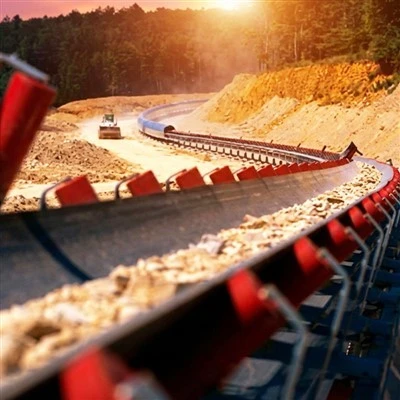
Mining Industry
One of the biggest and most important applications of solid woven conveyor belts is in the mining industry. Mines are like beehives of activity, with tons of materials being moved around all the time. These belts are used to transport all sorts of minerals, like coal, iron ore, copper, and gold.
The reason they’re so great for mining is that they’re super tough. Mines have a harsh environment with rough terrain, heavy loads, and lots of dust. Solid woven belts can handle it all. They’ve got high tensile strength, which means they can carry really heavy loads without breaking. And they’re also resistant to abrasion, so all those rough rocks and minerals aren’t going to wear them down quickly.
For example, in a coal mine, the conveyor belt has to move huge amounts of coal from the mining area to the processing plant. The belt runs continuously for long hours, and it has to be reliable. Solid woven belts fit the bill perfectly. They can withstand the constant friction from the coal and the rough handling in the mine.
Quarrying
Quarrying is another industry where solid woven conveyor belts shine. Quarries are all about extracting rocks and stones, like granite, limestone, and sandstone. These materials are heavy and sharp, and they need a conveyor belt that can handle them without getting damaged.
Solid woven belts are used to transport the quarried materials from the extraction point to the crushing and screening equipment. They can handle the impact of the large rocks being dropped onto them and the rough surface of the stones. The belts are also designed to be flexible enough to navigate the different curves and slopes in the quarry layout.
In a limestone quarry, for instance, the conveyor belt has to move the freshly quarried limestone from the face of the quarry to the processing area. The limestone can be quite large and heavy, and the belt needs to be able to move it efficiently and safely. Solid woven belts do just that, making the whole quarrying process much smoother.
Agriculture
You might not think of conveyor belts when you think of agriculture, but they play a big role in this industry too. In agriculture, solid woven conveyor belts are used for handling grains, like wheat, corn, and soybeans. They’re also used for transporting fruits and vegetables.
When it comes to grains, the belts are used in grain elevators. Grain elevators are like big storage facilities where grains are stored and processed. The conveyor belts move the grains from the trucks or trains into the storage bins and then from the bins to the processing equipment. These belts need to be clean and reliable to make sure the grains aren’t contaminated.
For fruits and vegetables, conveyor belts are used in packing houses. They move the produce from the sorting area to the packing area. The belts are designed to be gentle on the fruits and vegetables to prevent damage. They can also be equipped with special features, like adjustable speeds and gentle cleats, to handle the different types of produce.
Recycling
Recycling is becoming more and more important, and solid woven conveyor belts are a key part of the recycling process. In recycling facilities, these belts are used to transport all sorts of materials, like paper, plastic, metal, and glass.
The belts have to be able to handle the different shapes and sizes of the recycling materials. They also need to be resistant to the various chemicals and contaminants that might be present in the recycled materials. For example, in a paper recycling plant, the conveyor belt moves the bales of paper from the delivery area to the pulping equipment. The belt has to be able to handle the weight of the bales and the rough surface of the paper.
In a plastic recycling facility, the belt transports the different types of plastic waste to the sorting and processing areas. The plastic can be sharp and abrasive, but the solid woven belt can withstand the wear and tear.
Food Processing
Food processing is another industry where solid woven conveyor belts are widely used. In food processing plants, these belts are used to move all sorts of food products, from raw ingredients to finished goods.
The belts used in food processing have to meet strict hygiene standards. They’re usually made from food-grade materials that are safe to come into contact with food. They also need to be easy to clean to prevent the growth of bacteria and other contaminants.
For example, in a bakery, the conveyor belt moves the dough from the mixing area to the baking ovens and then to the cooling and packaging areas. The belt has to be able to handle the sticky dough and the high temperatures in the ovens. It also has to be gentle enough not to damage the baked goods.
Manufacturing
In the manufacturing industry, solid woven conveyor belts are used for all sorts of things. They’re used to move parts and products along the production line. For example, in an automobile manufacturing plant, the conveyor belts move the car parts from one workstation to the next.
The belts can be customized to fit the specific needs of the manufacturing process. They can have different widths, lengths, and cleats depending on what they’re transporting. They also need to be able to operate at high speeds to keep up with the production line.
In a furniture manufacturing plant, the conveyor belt moves the wood pieces from the cutting area to the assembly area and then to the finishing area. The belt has to be able to handle the different shapes and sizes of the wood pieces and the heavy weight of the furniture components.
Conclusion

As you can see, solid woven conveyor belts have a ton of applications across different industries. They’re tough, reliable, and versatile, which makes them a great choice for moving all sorts of materials. Whether it’s in a mine, a quarry, a farm, a recycling facility, a food processing plant, or a manufacturing plant, these belts are doing the heavy lifting.
Bucket Elevator Conveyor Belt If you’re in the market for solid woven conveyor belts, I’d love to talk to you. We’ve got a wide range of belts that can meet your specific needs. Whether you need a belt for a small operation or a large industrial plant, we’ve got you covered. Just drop me a line, and we can start discussing how we can help you with your conveyor belt needs. We can figure out the best belt for your application, talk about pricing, and get everything set up for you. Looking forward to hearing from you!
References
- "Conveyor Belt Technology Handbook." Edited by several industry experts. This handbook provides comprehensive information on different types of conveyor belts, including solid woven belts, and their applications in various industries.
- Industry reports from mining, agriculture, recycling, and manufacturing associations. These reports give real – world data on the use and performance of conveyor belts in different sectors.
Alumina Technology (Qingdao) New Materials Co., Ltd.
As one of the most professional solid woven conveyor belt manufacturers and suppliers in China, we also support customized service. With abundant experience, we warmly welcome you to buy solid woven conveyor belt for sale here and get quotation from our factory. For price consultation, contact us.
Address: No.448, Jiangshan South Road, Huangdao District, Qingdao City, Shandong Province
E-mail: Gloria.zhang@contitech.cn
WebSite: https://www.altechconveyorbelt.com/
