Yo! I’m a supplier of polyurethane screens, and I often get asked about what the structure of a polyurethane screen actually is. So, I thought I’d break it down in this blog post. Polyurethane Screen
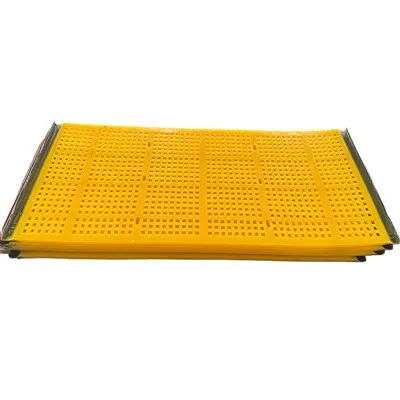
Let’s start with the basics. A polyurethane screen is generally made up of a few key components, each playing a vital role in its overall performance.
The Frame
First off, there’s the frame. Think of it as the backbone of the screen. The frame provides support and stability to the whole structure. It’s usually made from metal, like steel or aluminum. Steel frames are super strong and can handle heavy loads and harsh working conditions. They’re great for industries where the screen is going to be subjected to a lot of stress, like in mining or heavy – duty aggregate processing.
On the other hand, aluminum frames are lighter. They’re easier to handle during installation and transportation. Plus, aluminum doesn’t rust as easily as steel, so it’s a good choice for applications where the screen might be exposed to moisture. The frame is designed in such a way that it can hold the polyurethane panels securely in place. It has channels or grooves where the panels fit snugly, and sometimes there are also fastening mechanisms, like bolts or clamps, to make sure everything stays in position.
The Polyurethane Panels
The polyurethane panels are the heart of the screen. That’s where all the separation and screening action happens. Polyurethane is an amazing material. It’s got great wear resistance, which means it can withstand a lot of abrasion from the materials being screened. This is a huge advantage over traditional materials like steel mesh.
The panels are usually made through a casting or molding process. During casting, liquid polyurethane is poured into a mold of the desired shape and size. As it cures, it takes on the exact form of the mold, creating a panel with precise openings or apertures. These apertures are what determine the size of the particles that can pass through the screen.
The thickness of the polyurethane panels can vary depending on the application. For light – duty screening jobs, thinner panels might be sufficient. But for heavy – duty work, where large, sharp – edged materials are being screened, thicker panels are used to ensure a longer lifespan. The panels can also have different surface textures. Smooth surfaces are good for applications where easy flow of materials is important, while textured surfaces can provide better grip and prevent the materials from slipping too easily across the screen.
The Reinforcements
To make the polyurethane screen even stronger, reinforcements are often added. One common type of reinforcement is a steel mesh or wire embedded within the polyurethane panels. This steel mesh acts like a skeleton inside the panel, adding extra strength and preventing the polyurethane from tearing or stretching under heavy loads.
The steel mesh is carefully placed during the manufacturing process so that it’s evenly distributed throughout the panel. The size and density of the mesh can be adjusted according to the specific requirements of the screen. For example, in a screen that needs to handle very large and heavy materials, a denser and thicker steel mesh will be used.
Another form of reinforcement can be in the shape of ribs or ridges on the surface of the panel. These ribs not only add strength but also help in guiding the flow of materials across the screen. They can prevent the materials from piling up in one area and ensure a more even screening process.
The Attachment System
How the polyurethane screen is attached to the screening equipment is also an important part of its structure. There are different types of attachment systems available, and the choice depends on the type of equipment and the application.
One common attachment method is using hooks. The screen has hooks on its edges, which can be easily hung onto the corresponding bars or brackets on the screening machine. This is a quick and simple way to install the screen, and it allows for easy removal and replacement when needed.
Another option is using tensioning systems. These systems use springs or other tensioning devices to hold the screen tightly in place. Tensioning is important because it ensures that the screen remains flat and doesn’t sag during operation. A sagging screen can lead to uneven screening and reduced efficiency.
How the Structure Affects Performance
The structure of a polyurethane screen has a direct impact on its performance. The strength of the frame and the reinforcements determines how much weight and stress the screen can handle. A well – designed frame and proper reinforcements mean that the screen can last longer in tough environments.
The size and shape of the apertures in the polyurethane panels are crucial for the screening efficiency. If the apertures are too large, finer particles that should be screened out might pass through. On the other hand, if they’re too small, it can slow down the screening process and cause clogging.
The surface texture of the panels also affects how materials flow across the screen. A smooth surface can speed up the flow, but it might not be as effective in separating materials. A textured surface can provide better separation, but it might require more energy to move the materials.
Why Choose Our Polyurethane Screens
As a supplier, I can tell you that our polyurethane screens are built with the highest quality in mind. We use top – grade materials for the frame, the polyurethane panels, and the reinforcements. Our manufacturing process ensures that every screen is made to exact specifications, so you can be sure that the apertures are the right size and shape for your needs.
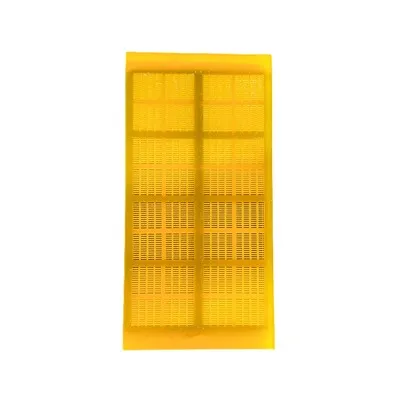
We also offer a variety of attachment systems to make installation and replacement as easy as possible. Whether you need a screen for a small – scale operation or a large – scale industrial process, we’ve got you covered.
Polyurethane Screen Panel If you’re in the market for a reliable polyurethane screen, I encourage you to get in touch with us. We’re here to answer any questions you might have and help you find the perfect screen for your application. Just reach out, and we can start a discussion about your specific requirements. We’ll work with you to provide a solution that fits your needs and budget.
References
- "Polyurethane: Chemistry and Technology" by Saunders and Frisch
- "Industrial Screening Technology" by various industry experts
Yangzhou Yaye Wire Mesh Manufacturing Co., Ltd.
As one of the most professional polyurethane screen manufacturers in China, we have world-leading production equipment and strong manufacturing capabilities. Please feel free to wholesale cheap polyurethane screen in stock here from our factory. Also, free sample is available.
Address: No. 1 Jiangjia Road, High-tech Industrial Park, Jiangdu District, Yangzhou City, Jiangsu Province
E-mail: 13952515577@163.com
WebSite: https://www.yayescreen.com/
