If you’ve ever stared at a stack of wilted berries in your fridge, or pulled a bag of frozen meat out of the freezer with a thick layer of freezer burn crusted on the surface, you know the frustration of food spoiling faster than it should. As a supplier of vacuum food bags, one of the most common questions I get from home cooks, small caterers, and even retail store buyers is: “Are there vacuum food bags with a zipper closure?” The short answer is yes—but to get the right bag for your needs, you have to understand how zipper vacuum bags work, how they differ from traditional heat-seal vacuum bags, and when they’re actually worth the investment. Let’s break this down, straight from someone who’s spent years testing and supplying these bags to customers across the food storage space. Vacuum Food Bags

First, let’s start with the basics. Traditional vacuum food bags are designed to be sealed with a commercial or home vacuum sealer’s heat bar. You put the food inside, run the sealer to suck out air, and the heat melts the plastic edges to create an airtight, permanent seal. They’re great for long-term storage—like keeping a batch of grains fresh for a year, or prepping meat for a 6-month freezer stint—but they’re not reusable. Once you seal a traditional heat-seal bag, you can’t open it without cutting it, which means if you only use half a bag of rice, or want to grab a handful of veggies for a meal, you have to open a brand new bag every time. That’s a big waste for home users and small food operations that buy in bulk.
Zipper closure vacuum bags solve that problem. These bags combine two key elements: a standard vacuum-seal layer that removes most of the air, and a reclosable zipper (usually a heavy-duty, interlocking plastic zipper) that seals tightly once you’re done vacuuming. The zipper isn’t the same as the zip on a sandwich bag, though. Cheaper sandwich bag zippers leak air easily, but vacuum zipper bags use a thicker, precision-molded zipper that creates an airtight barrier, even after multiple openings and closings. That means you can open the bag to grab a snack, put the rest of the food back, and re-vacuum the air out later, without needing to reheat and re-seal the plastic each time.
But not all zipper vacuum bags are created equal. Let’s talk about the design that works, and the ones that fall flat. The best zipper vacuum bags are structured in two layers: an outer layer that holds the zipper, and an inner layer that’s compatible with vacuum sealers. This inner layer is usually a durable, BPA-free plastic (often polyethylene or nylon blend) that can withstand the suction from both countertop vacuum sealers and handheld models. The zipper is embedded into the top edge of the bag, so when you close it, you can run the vacuum sealer’s hose over the opening to pull out any air trapped between the zipper and the inner plastic layer. That step is key—if you skip that, the zipper won’t create a proper seal, and air will seep in, leading to freezer burn and spoilage.
I’ve seen a lot of customers try to use regular zip-top bags as vacuum bags, and it almost never works. Regular zip bags are too thin, their zippers don’t lock tight enough, and they can’t handle the suction of a vacuum sealer without tearing. The results are half-vacuumed bags, food that spoils in weeks, and wasted money on cheap bags that don’t do the job. That’s why as a supplier, we only offer zipper vacuum bags that are specifically engineered for both sealing and reusability. We test every batch to make sure the zipper stays closed through 10+ cycles of opening, refilling, and vacuuming, and the plastic can withstand temperatures from -40°F (good for freezers) up to 176°F (safe for sous vide cooking, which is a huge bonus for home cooks who use that method).
Now, who are these zipper vacuum bags for? Let’s split this into a few user groups, because the answer changes depending on what you’re storing. For home cooks, they’re perfect for meal prep. I know so many people who prep breakfast burritos, cut veggies, or marinate chicken ahead of time, and then grab a portion each night. With a zipper vacuum bag, you can vacuum seal a big batch of burritos, store them in the freezer, and then take one out at a time without wasting the whole bag. They’re also great for people who buy bulk groceries—like a 20-pound bag of potatoes, or a case of nuts. You can split the bulk into individual portion bags, vacuum seal them, and keep the rest of the bulk in the pantry fresh for months, instead of having a half-opened bag that goes stale in a week.
For small food businesses, like a local café that makes homemade granola or baked goods, or a caterer that preps ingredients off-site, zipper vacuum bags are a game-changer. Permanent heat-seal bags require you to commit to a whole meal or ingredient each time, but zipper bags let you portion out ingredients as needed. A caterer might prep 5 pounds of sliced mushrooms, split them into 1-pound zipper bags, vacuum seal them, and pull out exactly what they need for each event, instead of wasting leftover mushrooms that would’ve gone bad if sealed in a permanent bag. We also supply zipper bags to small retail shops that sell vacuum-sealed pantry staples—customers love being able to open the bag at home, use a bit, and seal it back up, instead of having to transfer the food to another container.
But there are some limitations to zipper vacuum bags, and it’s important to be honest about that. First, they’re not ideal for absolute long-term storage (anything over 12 months). The zipper, even a heavy-duty one, can degrade slightly over time when exposed to constant cold freezer temperatures, and there’s a tiny chance of a tiny air leak, even with a good vacuum. For food you’re storing for multiple years—like a emergency supply of rice or beans, or game meat from a hunt—traditional heat-seal bags are still better, because they don’t have a zipper component that can fail. Second, not all vacuum sealers work with zipper bags. Some older, cheap countertop sealers aren’t designed to attach a vacuum hose to the top of a zipper bag, so you have to make sure your sealer has a hose port. Most mid-range and high-end sealers do, but it’s worth checking before you buy.
As a supplier, I’ve spent years working with manufacturers to refine zipper vacuum bags to fix those limitations. We’ve designed our bags to have a reinforced zipper track that resists freezer degradation, and tested every batch to ensure the seal is airtight after 12 months in the freezer. We also offer two sizes: small pint-sized bags for snacks or single servings, gallon-sized for meal prep, and extra-large 1-gallon bags for bulk ingredients. All of our bags are BPA-free, food-safe, and compatible with all major home vacuum sealer brands, so you don’t have to worry about them tearing or not working with your equipment.
Another common question I get: “Can I wash and reuse zipper vacuum bags?” The answer is yes, as long as you clean them properly. After you use a bag, rinse it with warm, soapy water, let it air dry completely (inside and out), and check the zipper for any food particles that could block the seal. Avoid putting them in the dishwasher, because the high heat and harsh detergents can warp the zipper or weaken the plastic over time. Reusable zipper vacuum bags are a big plus for people who want to cut down on plastic waste—each bag can be used 10 or 15 times, which is way more eco-friendly than using single-use heat-seal bags or disposable storage containers.
I’ve seen a lot of misinformation online about zipper vacuum bags, so I want to clear up one big myth: some people say that vacuum zipper bags don’t remove enough air to be effective, but that’s only if you’re not using the right method. The key step is to close the zipper halfway before you put the bag in the vacuum sealer. That way, when the sealer sucks out the air, it pulls the remaining air out from between the zipper’s two sides, creating a tight, airtight seal all across the top. If you close the zipper all the way before vacuuming, you’ll trap air under the zipper, which will leak out later, leading to spoilage. It’s a small step, but it makes all the difference.
For our customers, we don’t just sell bags—we offer guidance on which type is right for their needs. A home baker who wants to store flour and sugar might prefer reusable zipper bags, while a large-scale caterer who stores bulk beef might stick with heat-seal bags for long-term storage. We also work with customers to test bags for specific uses, like sous vide cooking—our zipper bags are safe for temperatures up to 176°F, which is perfect for most sous vide recipes, and the zipper stays sealed even when submerged in water during cooking.
At the end of the day, the question “Are there vacuum food bags with a zipper closure?” isn’t just a yes/no answer—it’s about what those bags can do for your specific food storage needs. They’re not a one-size-fits-all solution, but for anyone who wants to cut down on waste, reuse storage supplies, and have flexibility with how they access their food, they’re a far better option than single-use heat-seal bags or regular zip-top bags that leak.
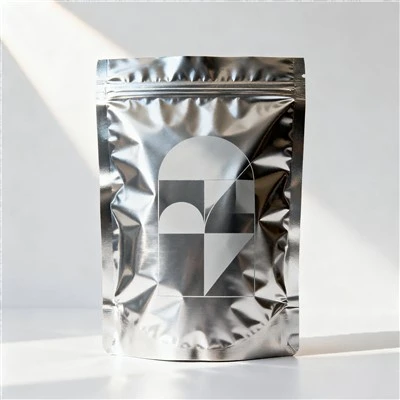
If you’re ready to stock zipper vacuum bags for your home, your small business, or your retail operation, our team is here to help you find the right sizes, quantities, and types for your needs. We’ve supplied bags to thousands of happy customers, from home cooks just starting their meal prep journey to small catering companies looking to reduce their food waste and storage costs. Reach out to our team to discuss your requirements, get bulk pricing, or ask any other questions about our vacuum food bags. We’re here to make food storage easier, more efficient, and less wasteful for everyone.
Plastic Food Bags References
- Food and Drug Administration. (2022). Food Contact Materials: Plastics. U.S. Department of Health and Human Services.
- National Center for Home Food Preservation. (2021). Vacuum Sealing for Food Storage. University of Georgia Extension.
- Sustainable Packaging Coalition. (2020). Reusable Plastic Packaging: Life Cycle Assessment.
- Sous Vide Foundation. (2019). Safe Packaging for Sous Vide Cooking. International Association of Culinary Professionals.
Shandong Yiming Plastic Products Co., Ltd.
As one of the most professional vacuum food bags manufacturers in China, we’re featured by quality products and good price. Please rest assured to wholesale cheap vacuum food bags made in China here from our factory. Customized orders are welcome.
Address: Opposite Tower Pole Factory,south of Hengliu road,Shunwang Sub-district,Zhucheng City,Weifang City,Shandong Province
E-mail: sdyiming16888@qq.com
WebSite: https://www.toppackingsolution.com/
