Hey everyone, thanks for stopping by! If you’ve ever laminated a wedding invite to make it stand up to coffee spills, or cranked out 100 copies of a sales flyer for a trade show, you’ve probably worked with thermal laminating film without even realizing it. As someone who’s been in the thermal laminating film supply game for over a decade now, I can’t tell you how many times customers come to me confused by all the different types out there. “Which one do I need?” they ask, and honestly, it’s way more than just picking a size that fits your paper. Today, I’m breaking down the main types of thermal laminating film to help you skip the guesswork—no stuffy jargon, promise. Thermal Laminating Film
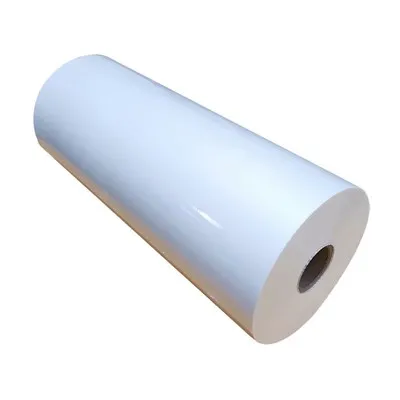
First, let’s get the basics straight: thermal laminating film is the clear, plastic stuff that melts onto your document when you run it through a hot laminator, right? It comes in rolls and pre-cut pouches, but the key difference is the adhesive layer that makes it stick. That’s where all the variety comes from. The three big categories you’ll hear about are cold adhesive (wait, no—wait, thermal is hot-melt, but some folks mix terms up), standard hot-melt, low-temperature hot-melt, and specialty films for specific jobs. Let’s dive into each.
Standard hot-melt thermal laminating film is the workhorse of the industry. This is what you’ll find in the most common pre-cut pouches at your local office supply store. The adhesive here melts at around 250 to 300 degrees Fahrenheit, which means it works with almost every standard thermal laminator you’d use in an office or small print shop. I see this used for like 70% of the jobs we supply: menus, ID badges, regular flyers, posters that just need a basic protective coat. The finish comes in glossy or matte, too—glossy is bright, makes colors pop, perfect for product photos on a catalog, while matte is less shiny, good for things like corporate reports where you don’t want that mirror effect. Pro tip: if you’re laminating something thick, like a cardstock flyer, you’ll want a mil thickness of at least 3 mil—1 mil is super thin, good for small paper like business cards, but 3+ is sturdier and less likely to bubble. I’ve seen so many people grab 1 mil for a poster, then wonder why it warps when they hang it—always match the mil to the job.
Next up is low-temperature thermal laminating film. This one’s a game-changer for delicate documents. Regular standard film melts hot enough that if you run it through a laminator that’s too warm, or laminate something like a photo paper or a booklet with glued spines, you’ll end up with curled edges, smudged ink, or even pages that fall out. Low-temp film melts at about 200 to 230 degrees F, so it’s gentler. We use this for things like vintage postcards, children’s artwork, glossy photo prints that would warp in high heat, and even book covers. A lot of schools order this for student projects because teachers don’t have to worry about ruining a kid’s watercolor when they laminate it. The downside? It’s not quite as tough as standard hot-melt, so I don’t recommend it for high-traffic items like restaurant menus that get dropped in the dirt or splashed with soda. It’s a trade-off—gentleness vs. durability, and that’s a call you’ve gotta make based on your project.
Then there are the specialty thermal laminating films, which are where things get fun (and a little niche). Let’s start with anti-glare (or matte anti-glare, sometimes called non-glare) film. Regular matte film is just low-sheen, but anti-glare has a textured surface that cuts down on reflections. That’s crucial for things like signs in stores, or presentation slides that people will look at under overhead lights—if you’ve ever stared at a laminated slide and seen your own face staring back at you, you know why this matters. We also supply anti-static laminating film, which is for things like electronic parts packaging or documents used in factories where static electricity could cause a problem. Static buildup can pull tiny dust particles onto a laminated document, so anti-static film prevents that—super important for industrial clients.
Wait, let’s not forget self-healing laminating film? No, wait—actually, some of our clients ask about scratch-resistant film, which is a type of specialty too. Scratch-resistant film has a thicker top layer, like 5 mil or more, that stands up to keys, pens, being stuffed in a backpack. That’s the one we push for ID badges and access cards—someone’s gonna rub that against metal all day, and you don’t want the laminate to peel or scratch. We also do UV-resistant film for outdoor use. If you’re laminating a sign that’s gonna sit outside for months, regular film will fade and get brittle in the sun. UV-resistant film has additives that block harmful UV rays, so the colors stay bright and the film doesn’t crack. Last year, we supplied rolls of UV film for a local construction company’s job site signs, and they told us six months later, they still looked brand new—no fading, no curling.
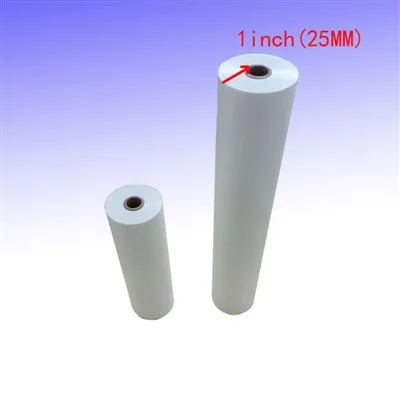
Now, a common question I get: what’s the difference between rolls and pouches? A lot of people think rolls are only for big format stuff, but rolls are actually more flexible for custom jobs. If you have a document that’s not a standard size, like a custom menu for a restaurant, you can cut the film to fit instead of buying a pre-cut pouch that might be slightly too big or small. Pouches are easier for small, quick jobs—just slip your paper in, run it through, no measuring needed. But the type of film (standard, low-temp, specialty) applies to both rolls and pouches, so that’s another factor to consider, but it’s separate from the adhesive type.
Wait, let’s talk about common mistakes people make with thermal laminating film. One big one is mixing up cold laminating and thermal laminating—cold is for pressure-sensitive adhesive, no heat, but it’s way less durable. I had a customer last month who came back saying their laminated menus were peeling after a week, and they’d used cold film by mistake. That’s a fix, but it’s why I always make sure to clarify: thermal needs heat, cold doesn’t, and thermal is way better for heavy use. Another mistake is checking the wrong side of the film—thermal film has a shiny and a matte side, right? You need to put the matte side against your paper, because that’s the side with the adhesive. If you put the shiny side on the paper, it won’t stick at all. We include little tips in our product listings, but I still see people mess that up all the time.
Another specialty type is peelable laminating film. This is for jobs where you might need to rework the document later—like custom event invites where you need to add a handwritten note, or packaging that might need to be resealed. The adhesive is designed to stick temporarily, so you can peel it off without damaging the original paper, but it’s still strong enough for short-term use. It’s not for things you want to last years, but it’s perfect for promotional materials where you might hand out samples and want people to take the laminate off to access a discount code underneath.
So, how do you pick the right one for your job? Let’s do a quick cheat sheet. If you need a basic, durable laminate for office flyers, ID, or restaurant menus: standard hot-melt, 3 mil or thicker, glossy or matte. If you’re laminating delicate things like photos, artwork, or vintage docs: low-temperature hot-melt, 2 to 3 mil. If it’s outdoor use, anti-glare signs, or high-scratch items: specialty UV, anti-glare, or scratch-resistant film, depending on the job. If you need custom sizes, go with rolls; for quick, standard sizes, go with pouches.
Here’s the thing: I’ve been supplying thermal laminating film long enough to know that one size doesn’t fit all. Every customer’s project is different, and that’s why we stock all these types—no generic “one film works for everything” here. Last quarter, we had a graphic designer who needed 50 custom trade show posters, so we sent them 5 mil standard roll film, and they laminated them in-house and sold all of them. Another customer, a elementary school art teacher, needed to laminate 200 kid’s paintings, so we sent low-temp pouches, and she said not a single one smudged or curled. That’s the stuff that makes this job worth it.
If you’re still not sure which type you need, don’t overthink it—reach out. As a supplier, I can help you narrow it down based on what you’re laminating, how you’re using it, and how long you want it to last. Whether you’re a small business owner, a print shop, a school, or a factory worker, I’ve got the film that fits your needs. We work with everyone from individual customers ordering a few pre-cut pouches to big corporate clients needing bulk rolls, so no job is too small or too big.
If you’re ready to grab some film, just hit up our team to chat through your project—we can answer all your questions, help you pick the right type, and get you the quantity you need, no hassle. No confusing pricing, no hidden fees, just solid film that works, and people who know what they’re talking about.
Thermal Lamination Film References
- Lamination Association. (2022). “Thermal Laminating Film Types and Applications.” Industry Standards Guide.
- Print Equipment Manufacturers Association. (2021). “Delicate Document Lamination: Low-Temperature Adhesive Technology.” Technical Bulletin.
- Specialty Laminating Materials Council. (2023). “Outdoor and Industrial Lamination Solutions.” Product Application Handbook.
- Small Business Office Products Association. (2022). “Common Laminating Mistakes and Troubleshooting Tips.” Retailer Resource Guide.
- Graphic Arts Technical Foundation. (2021). “Anti-Glare and Anti-Static Lamination for Commercial Print.” Best Practices Manual.
Yantai Hongqing Packing Material Co., Ltd.
Yantai Hongqing Packing Material Co., Ltd. is one of the most professional thermal laminating film manufacturers and suppliers in China, also supports customized service. Welcome to wholesale advanced thermal laminating film made in China here and get quotation from our factory. Quality products and reasonable price are available.
Address: Eastern Industrial Park, Taocun, Yantai, Shandong Province, China
E-mail: cindy@ythongguang.cn
WebSite: https://www.hqingnewmat.com/
