In the world of industrial sealing solutions, the choice between flat gaskets and ring gaskets can significantly impact the performance and reliability of equipment. As a seasoned gaskets supplier with years of experience in the field, I’ve witnessed firsthand the diverse applications and unique characteristics of these two types of gaskets. Let’s dive into the differences between flat gaskets and ring gaskets, exploring their designs, materials, applications, and performance to help you make an informed decision for your specific sealing needs. Gaskets
Design and Structure
One of the most apparent differences between flat gaskets and ring gaskets lies in their design and structure. Flat gaskets, as the name suggests, are thin, flat pieces of material typically cut into a specific shape, such as rectangular, square, or circular, to fit between two mating surfaces. They are designed to provide a uniform seal across the entire surface area, preventing the leakage of fluids or gases. Flat gaskets can be solid or composite, with the latter consisting of multiple layers of different materials for enhanced performance.
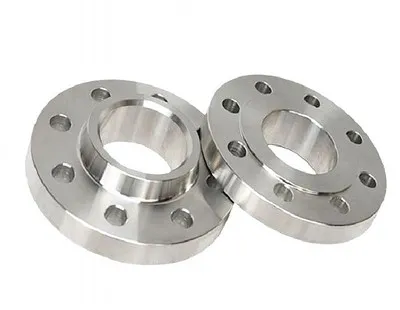
On the other hand, ring gaskets are circular in shape and are specifically designed to seal the joint between two flanges. They are typically placed in a groove or recess machined into the flange faces, providing a concentrated sealing force around the circumference of the joint. Ring gaskets can be classified into different types, such as metallic ring gaskets (e.g., spiral wound gaskets, octagonal ring gaskets) and non-metallic ring gaskets (e.g., rubber O-rings, PTFE ring gaskets), each offering unique properties and advantages.
Materials Used
The choice of materials for flat gaskets and ring gaskets depends on various factors, including the operating conditions, the type of fluid or gas being sealed, and the required level of sealing performance. Flat gaskets can be made from a wide range of materials, including rubber, cork, paper, fiberglass, graphite, and metal. Each material has its own set of properties, such as flexibility, chemical resistance, temperature resistance, and compressibility, which make it suitable for different applications.
For example, rubber flat gaskets are commonly used in applications where a good seal is required at low pressures and temperatures. They are flexible, resilient, and can conform to irregular surfaces, making them ideal for sealing joints in plumbing, automotive, and HVAC systems. Graphite flat gaskets, on the other hand, are known for their excellent chemical resistance and high-temperature performance. They are often used in applications where the fluid or gas being sealed is corrosive or the operating temperature is high, such as in chemical processing plants, refineries, and power generation facilities.
Ring gaskets can also be made from a variety of materials, depending on the application requirements. Metallic ring gaskets are typically made from materials such as stainless steel, carbon steel, copper, or nickel alloys, which offer high strength, durability, and resistance to high pressures and temperatures. Non-metallic ring gaskets, on the other hand, are made from materials such as rubber, PTFE, or graphite, which provide excellent sealing performance at lower pressures and temperatures.
Applications
The different designs and properties of flat gaskets and ring gaskets make them suitable for a wide range of applications in various industries. Flat gaskets are commonly used in applications where a large surface area needs to be sealed, such as in pumps, valves, engines, and tanks. They are also used in applications where the mating surfaces are flat or slightly irregular, and where a flexible and resilient seal is required.
For example, in the automotive industry, flat gaskets are used to seal the engine block, cylinder head, oil pan, and transmission. These gaskets are typically made from materials such as rubber, cork, or paper, which provide a good seal at low pressures and temperatures. In the plumbing industry, flat gaskets are used to seal joints in pipes, faucets, and valves. These gaskets are typically made from materials such as rubber or PTFE, which provide a good seal against water and other fluids.
Ring gaskets, on the other hand, are specifically designed for use in flange connections, where they provide a reliable seal between two flanges. They are commonly used in applications where high pressures and temperatures are involved, such as in oil and gas pipelines, chemical processing plants, and power generation facilities. Ring gaskets are also used in applications where the joint needs to be disassembled and reassembled frequently, such as in maintenance and repair operations.
For example, in the oil and gas industry, ring gaskets are used to seal the joints between pipelines, valves, and pumps. These gaskets are typically made from materials such as metallic spiral wound gaskets or octagonal ring gaskets, which provide a high level of sealing performance at high pressures and temperatures. In the chemical processing industry, ring gaskets are used to seal the joints between reactors, heat exchangers, and distillation columns. These gaskets are typically made from materials such as PTFE or graphite, which provide a good seal against corrosive chemicals.
Performance
The performance of flat gaskets and ring gaskets is determined by several factors, including the design, material, installation, and operating conditions. Flat gaskets are generally more flexible and resilient than ring gaskets, which allows them to conform to irregular surfaces and provide a good seal even under low compression forces. However, they may not be suitable for applications where high pressures and temperatures are involved, as they may not be able to withstand the forces and stresses generated.
Ring gaskets, on the other hand, are designed to provide a concentrated sealing force around the circumference of the joint, which makes them more suitable for applications where high pressures and temperatures are involved. They are also more resistant to blowout and leakage than flat gaskets, as they are held in place by the flange faces and the compression forces applied. However, they may require more precise installation and alignment than flat gaskets, as any misalignment or uneven compression can result in leakage.
Conclusion

In conclusion, the choice between flat gaskets and ring gaskets depends on various factors, including the design, material, application, and performance requirements. Flat gaskets are suitable for applications where a large surface area needs to be sealed, where the mating surfaces are flat or slightly irregular, and where a flexible and resilient seal is required. Ring gaskets, on the other hand, are specifically designed for use in flange connections, where they provide a reliable seal between two flanges at high pressures and temperatures.
Bs Flange As a gaskets supplier, we understand the importance of providing our customers with high-quality sealing solutions that meet their specific needs. Whether you need flat gaskets or ring gaskets, we have a wide range of products and materials to choose from, and our experienced team of engineers can help you select the right gasket for your application. If you have any questions or need further information, please don’t hesitate to contact us. We look forward to working with you to provide the best sealing solutions for your business.
References
- Campbell, John F. (2000). "Fluid Sealing Technology." Butterworth-Heinemann.
- Hutchinson, John W. (1998). "Sealing Devices: Principles and Design." Marcel Dekker.
- Schwartz, Morton A. (1985). "Handbook of Sealant Technology." McGraw-Hill.
Shanxi Xinshunda Flange Manufacturing Co., Ltd.
As one of the most professional gaskets manufacturers and suppliers in China, we also support customized service with competitive price. We warmly welcome you to wholesale high quality gaskets for sale here from our factory. For quotation, contact us now.
Address: Zhunagli Industrial Zone,jinchang Town,dingxiang,shanxi,china
E-mail: sales01@xinflange.com
WebSite: https://www.xinflange.com/
