As a supplier of Multilayer PVC Pipe, I’ve often encountered inquiries regarding the suitability of our products for use in food – processing plants. This is a crucial question, given the strict safety and hygiene standards in the food industry. In this blog, I’ll dive into the details of whether Multilayer PVC Pipe can be used in such environments. Multilayer PVC Pipe

Understanding Multilayer PVC Pipe
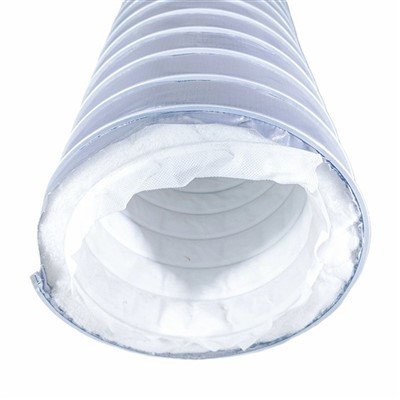
Before we assess its usage in food – processing plants, let’s first understand what Multilayer PVC Pipe is. Polyvinyl chloride (PVC) is a widely used plastic polymer. Multilayer PVC Pipe is a composite pipe that typically consists of multiple layers of PVC materials and sometimes other polymers or additives.
The multilayer structure provides several advantages. It can enhance the pipe’s strength, making it more resistant to external impacts and internal pressures. Additionally, it can improve the pipe’s chemical resistance and reduce the risk of permeation. The inner layer of the pipe can be designed to come into contact with the conveyed substance, and the outer layers provide protection and structural support.
Safety Standards in Food – Processing Plants
Food – processing plants are subject to rigorous safety and hygiene regulations. These regulations are in place to ensure the safety of the food products for consumers. The pipes used in such facilities must meet strict requirements in terms of material safety, chemical inertness, and cleanliness.
The pipes should not release any harmful substances into the food or beverage they carry. This means that the materials used in the pipes must be free from heavy metals, such as lead and mercury, and other toxic chemicals. They should also be resistant to the growth of bacteria, fungi, and other microorganisms, as any microbial contamination can lead to food spoilage or pose a health risk to consumers.
Advantages of Multilayer PVC Pipe for Food – Processing Plants
Chemical Resistance
Multilayer PVC Pipe has excellent chemical resistance. In food – processing plants, various chemicals are used for cleaning, sanitizing, and processing. The pipes need to be able to withstand exposure to these chemicals without degrading or releasing harmful substances. PVC is resistant to many common acids, alkalis, and salts used in the food industry. This chemical resistance ensures the longevity of the pipes and reduces the risk of contamination from pipe degradation products.
Hygiene
The smooth inner surface of Multilayer PVC Pipe makes it difficult for bacteria and other microorganisms to adhere. This is crucial in food – processing plants, where maintaining a high level of hygiene is essential. The smooth surface also allows for easy cleaning and sanitizing of the pipes. Regular cleaning can effectively remove any food residues or contaminants, preventing the growth of harmful bacteria.
Cost – effectiveness
Compared to some other materials used in food – processing pipes, such as stainless steel, Multilayer PVC Pipe is more cost – effective. The initial purchase cost of the pipes is lower, and the installation is also relatively simple, which can save on labor costs. Additionally, the long service life and low maintenance requirements of Multilayer PVC Pipe further contribute to its cost – effectiveness.
Potential Concerns
Additives
Some PVC pipes may contain additives to improve their performance, such as plasticizers. While modern production techniques can ensure that these additives are non – toxic and comply with food – contact safety standards, concerns still exist. Regulatory bodies around the world have set limits on the types and amounts of additives that can be used in PVC pipes intended for food – contact applications.
Temperature Resistance
Food – processing operations often involve a wide range of temperatures. From cold storage areas to hot cooking and processing areas, the pipes need to be able to withstand these temperature variations. Multilayer PVC Pipe has a limited temperature resistance compared to some other materials. High temperatures can cause the PVC to soften or deform, which may affect the integrity of the pipe and potentially lead to leaks or contamination.
Meeting Regulatory Requirements
To address the concerns mentioned above and ensure the suitability of Multilayer PVC Pipe for food – processing plants, our company is committed to meeting and exceeding regulatory requirements.
We use only food – grade PVC materials in the production of our Multilayer PVC Pipe. These materials are carefully selected and tested to ensure they are free from harmful substances. The additives used in our pipes are also approved for food – contact applications.
Our pipes undergo strict quality control measures. We conduct regular tests on the chemical composition, mechanical properties, and microbial resistance of the pipes. These tests are carried out in compliance with international standards, such as NSF/ANSI 61 in the United States, which is a well – recognized standard for materials used in drinking water and food – contact applications.
Real – World Applications
There are already many successful applications of Multilayer PVC Pipe in food – processing plants. For example, in juice production facilities, our pipes are used to transport raw juice from the extraction area to the processing and bottling areas. The excellent chemical resistance of the pipes ensures that the quality of the juice is not affected during transportation.
In dairy processing plants, Multilayer PVC Pipe is used for the transfer of milk and other dairy products. The smooth inner surface of the pipes prevents the build – up of milk residues, which helps to maintain the hygiene of the production process.
Conclusion
In conclusion, Multilayer PVC Pipe can be a suitable choice for food – processing plants when certain conditions are met. Its advantages in terms of chemical resistance, hygiene, and cost – effectiveness make it an attractive option. However, it is essential to address the potential concerns, such as additives and temperature resistance, through strict quality control and compliance with regulatory standards.
Multilayer PVC Pipe If you’re in charge of a food – processing plant and are considering the use of Multilayer PVC Pipe, I encourage you to reach out to discuss your specific requirements. Our team of experts can provide detailed information on how our products can meet your needs and ensure the safety and efficiency of your production process. We’re ready to have in – depth discussions and provide tailored solutions for your procurement. Contact us for a discussion about your procurement needs and explore how our Multilayer PVC Pipe can benefit your food – processing operations.
References
- “Plastic Pipes in the Food Industry,” Journal of Food Processing Equipment, Volume 15, Issue 2
- NSF/ANSI 61 Standard for Drinking Water System Components – Health Effects
- “Hygiene Requirements for Pipes in Food – Processing,” International Journal of Food Safety and Hygiene, Volume 22, Issue 3
Dongyang Hstube Co., Ltd.
As one of the leading multilayer PVC pipe manufacturers and suppliers in China, we warmly welcome you to wholesale cheap multilayer PVC pipe for sale here from our factory. If you have any enquiry about free sample, please feel free to email us. Quality products and reasonable price are available.
Address: NO.5 CHENGDONG ECOLOGICAL INDUSTRIAL ZONE, DONGYANG, ZHEJIANG, CHINA.
E-mail: sales@hstube.com
WebSite: https://www.ductword.com/
