As a seasoned supplier of trough cable trays, the question of whether multiple types of cables can be laid in the same trough cable tray often comes up in my interactions with clients. This is a valid concern, as it involves not only the practicality of cable installation but also the safety and functionality of the entire electrical system. In this blog post, I’ll delve into the complexities of this issue, drawing on my years of experience in the industry. Trough Cable Tray
The Basics of Trough Cable Trays
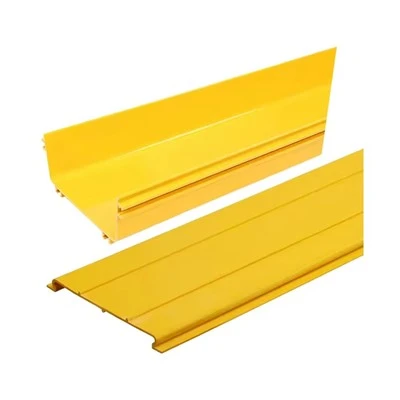
Before we explore the possibility of laying multiple cable types in a single trough cable tray, it’s essential to understand the fundamentals of these trays. Trough cable trays are designed to provide a secure and organized pathway for cables. They come in various shapes, sizes, and materials, each tailored to specific applications. The main function of a trough cable tray is to support and protect cables from physical damage, environmental factors, and electromagnetic interference.
Advantages of Laying Multiple Cable Types in One Trough
There are several compelling reasons why one might want to lay multiple cable types in a single trough cable tray. First and foremost, it can significantly reduce installation costs. By combining different cables in one tray, you can save on the cost of additional trays, as well as the labor associated with installing multiple trays. This is especially beneficial for large – scale projects where cost – efficiency is a top priority.
Secondly, it saves space. In many industrial and commercial settings, space is at a premium. Using a single trough cable tray for multiple cable types allows for a more compact installation, which is particularly useful in areas with limited floor space or in buildings where cable routing is complex.
Another advantage is the ease of maintenance. With all cables in one location, it becomes much easier for maintenance personnel to access and inspect the cables. This can lead to quicker identification and resolution of any issues that may arise, minimizing downtime and ensuring the smooth operation of the electrical system.
Challenges and Considerations
However, laying multiple cable types in the same trough cable tray is not without its challenges. One of the primary concerns is electromagnetic interference (EMI). Different cables, such as power cables and communication cables, emit electromagnetic fields. If these cables are placed too close together, the EMI from power cables can disrupt the signal transmission in communication cables, leading to data loss or poor communication quality.
To mitigate this issue, it’s crucial to ensure proper separation between different types of cables within the tray. This can be achieved by using dividers or installing cables at a safe distance from each other. Industry standards and guidelines often specify the minimum separation distances for different cable types.
Heat dissipation is another critical consideration. Power cables generate heat during operation, and if too many cables are packed together in a single tray, the heat may not be able to dissipate effectively. This can lead to an increase in cable temperature, which in turn can reduce the lifespan of the cables and increase the risk of fire.
To address the heat dissipation problem, it’s important to calculate the cable fill ratio correctly. The cable fill ratio refers to the percentage of the cross – sectional area of the tray that is occupied by cables. A lower fill ratio allows for better air circulation and heat dissipation. Additionally, choosing a trough cable tray with proper ventilation features can help maintain a safe operating temperature for the cables.
Voltage drop is also a factor to keep in mind. When multiple cables are laid in the same tray, the resistance of the cables can affect the voltage at the load end. If the voltage drop is too significant, it can cause equipment malfunction or reduced performance. Therefore, it’s necessary to perform voltage drop calculations during the design phase and select cables with appropriate cross – sectional areas to minimize the voltage drop.
Safety Regulations and Standards
Safety is of utmost importance when it comes to cable installation. There are numerous national and international standards and regulations that govern the installation of cables in trough cable trays. For instance, in the United States, the National Electrical Code (NEC) provides detailed guidelines on cable installation, including requirements for cable separation, fill ratios, and grounding.
Compliance with these standards is not only a legal requirement but also essential for ensuring the safety and reliability of the electrical system. As a trough cable tray supplier, I always recommend that my clients consult these standards and work with qualified electrical engineers to design and install their cable systems.
Case Studies
To illustrate the practical application of laying multiple cable types in the same trough cable tray, let’s look at a few case studies.
In a large office building project, the client wanted to install power cables, data cables, and security system cables in the same area. By using a single trough cable tray with dividers, we were able to separate the different cable types effectively. This not only saved on installation costs and space but also met all the safety and performance requirements. The dividers helped to reduce EMI between the cables, and the proper cable fill ratio ensured good heat dissipation.
In an industrial manufacturing facility, we faced the challenge of installing high – voltage power cables and low – voltage control cables in the same cable tray. Through careful planning and design, we installed the cables in separate compartments within the tray and used shielding materials to further reduce EMI. The result was a reliable and efficient cable installation that met the strict safety standards of the industrial environment.
Best Practices for Laying Multiple Cable Types
Based on my experience, here are some best practices for laying multiple cable types in the same trough cable tray:
- Cable Classification: Clearly classify the cables based on their type, voltage, and function. This will help in determining the appropriate separation and installation methods.
- Use of Dividers: Install dividers within the tray to separate different types of cables. This can effectively reduce EMI and prevent physical damage between cables.
- Proper Labeling: Label each cable clearly to facilitate easy identification during installation, maintenance, and troubleshooting.
- Regular Inspections: Conduct regular inspections of the cable tray and cables to check for any signs of damage, overheating, or other issues.
Conclusion
In conclusion, it is possible to lay multiple types of cables in the same trough cable tray, but it requires careful planning, consideration of various factors, and compliance with safety regulations. When done correctly, it can offer significant cost savings, space efficiency, and ease of maintenance.

If you are planning a cable installation project and need high – quality trough cable trays, I’m here to help. As a professional trough cable tray supplier, I have the expertise and products to meet your specific needs. Whether you are working on a small – scale commercial project or a large – scale industrial installation, I can provide you with customized solutions.
Wire Mesh Contact me to discuss your requirements and start a procurement negotiation. I look forward to working with you to ensure the success of your cable installation project.
References
- National Electrical Code (NEC)
- International Electrotechnical Commission (IEC) Standards
- Industry white papers on cable installation and management
Hebei Shenyi Metal Products Co., Ltd.
Hebei Shenyi Metal Products Co., Ltd. is one of the most professional trough cable tray manufacturers and suppliers in China, featured by quality products and good service. Please rest assured to wholesale durable trough cable tray in stock here and get free sample from our factory. Customized orders are welcome.
Address: Gengtun Industrial Zone, Gengtun Village, Xiliangwa Township, Anping County, Hengshui City, Hebei Province
E-mail: HBshenyi@outlook.com
WebSite: https://www.shenyimetal.com/
