If you’ve ever worked on electronics, aerospace assemblies, medical devices, or even a simple office equipment repair, chances are you’ve encountered a captive screw—and maybe didn’t even realize it. As a screw supplier who’s been in this industry for over a decade, I’ve seen how often people mix up captive screws with standard fasteners, and how critical understanding their design and function is for anyone in manufacturing, repair, or even hobbyist projects. Let’s break down what a captive screw is, why it matters, and how our team works to deliver the right ones for every job. Screw
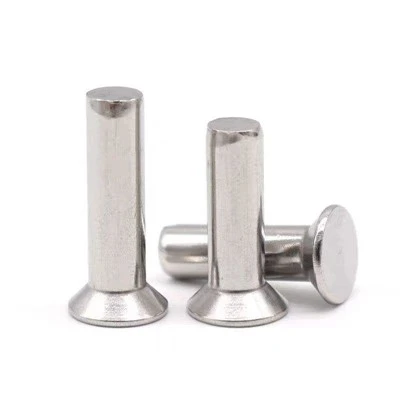
First, let’s get the definition straight. A captive screw is a type of fastener designed to stay attached to one component even when it’s loosened, so it never gets lost or separated from the assembly. Unlike a standard machine screw, which threads into a nut or tapped hole on one side and is fully removable when unscrewed, a captive screw has a built-in mechanism that prevents it from falling out—think of it as a fastener that’s “captive” to the part it secures. That core design solves a lot of problems that come with regular screws, especially in industries where losing a small fastener can lead to big headaches.
Let’s talk about how captive screws are built, because that’s where their unique value comes from. Most captive screws use one of two main designs: a spring-loaded retainer or a molded-in collar. The spring-loaded version is probably the most common. It has a shoulder on the screw shaft, and a spring sits between that shoulder and a flange or retainer ring attached to the non-working side of the component. When you tighten the screw, the spring compresses, letting the screw thread fully engage with the mating part. When you loosen it, the spring expands, pushing the screw back toward its original position so it stays attached to the component. The other design, often used in plastic or lightweight metal parts, has a molded-in plastic collar that the screw passes through. The collar’s inner diameter is slightly smaller than the screw’s shank, creating enough friction to hold the screw in place when it’s not fully tightened.
Now, why does this matter so much? Let’s take aerospace as an example. In aircraft, avionics racks and panel covers are secured with hundreds of small fasteners. If a technician has to remove a panel to replace a part, they don’t want to fumble with a screw that falls into a cramped, hard-to-reach space—under a dashboard, behind a circuit board, or in the fuselage. A lost screw here isn’t just an inconvenience; it can cause a short circuit, block a moving part, or even lead to a safety hazard during flight. Medical devices are another big one. Devices like MRI machines, portable defibrillators, or lab analyzers have internal components that need regular access for calibration or repairs. A lost screw could damage delicate sensors or contaminate sterile equipment, which could put patients at risk. Even in everyday tech, like desktop computers or server racks, captive screws save time during maintenance. How many times have you fumbled with a small screw while upgrading your RAM, only to drop it under the desk and spend 10 minutes digging for it? That’s the kind of downtime captive screws eliminate.
As a screw supplier, we work with clients across these industries, and we’ve learned that the right captive screw isn’t one-size-fits-all. The material, thread size, head type, and retention strength all depend on the application. For aerospace, we use 303 stainless steel captive screws because it’s corrosion-resistant and strong enough to handle the vibrations and temperature changes in aircraft. For medical devices, we offer both stainless steel and heat-resistant plastic captive screws that meet FDA standards for biocompatibility, since they come into contact with cleanroom environments. For server racks, which are often accessed dozens of times a year, we supply captive screws with a spring retainer that’s durable enough to withstand repeated use without losing its tension.
I still remember a project a few years back with a small aerospace parts manufacturer. They were using standard machine screws for their avionics panel assemblies, and they were losing an average of 15 screws a month during maintenance. Those lost screws cost them time in labor and extra inventory to replace them, and occasionally, a missing screw would delay a shipment. We worked with their engineering team to switch to our spring-loaded stainless steel captive screws. Within a month, their lost fastener incidents dropped to zero, and their maintenance time per panel cut by 20%—no more searching for fallen screws, no more reordering replacements on the fly. That’s the kind of impact a good captive screw can have, and it’s why we prioritize understanding our clients’ specific needs instead of just selling a generic product.
Another key point about captive screws: they’re often designed for tool-specific use, which adds another layer of functionality. Many captive screws have a knurled head that you can tighten by hand for quick access, perfect for panels that don’t want tools to prevent unauthorized access to sensitive equipment. Others have a hex head or Phillips head, made for use with wrenches or screwdrivers when you need a more secure, vibration-resistant hold. We even offer captive screws with locking features, like a nylon patch on the threads, to prevent loosening from constant vibration—critical for things like off-road equipment or industrial machinery that runs around the clock.
There’s a common misconception that captive screws are more expensive than standard screws, but that’s often a short-sighted view. When you factor in the cost of lost fasteners, downtime for repairs, and inventory management for replacement parts, the upfront difference is negligible. In aerospace, for example, the FAA requires strict fastener control to prevent foreign object damage (FOD), and captive screws directly help meet those requirements. It’s not just a convenience; it’s a compliance issue that can keep a business from costly fines or safety incidents.
As someone who’s been in the fastener industry for years, I’ve seen a lot of trends, but the demand for high-quality captive screws has only grown in the last decade. More industries are recognizing the value of reducing lost parts and speeding up maintenance, and that means we’re constantly adapting our products. We work with our suppliers to refine our spring retainer designs to make them more durable, test new materials that meet stricter industry standards, and even offer custom captive screws for unique applications—like a client who needed a captive screw that could withstand extreme cold for Arctic research equipment, or another that required a non-magnetic screw for MRI machine components.
When I talk to new clients, I always start with a few questions to make sure we get the right captive screw for them: What material is the assembly made of? How often will the screw be removed and reinstalled? Is there a need for corrosion resistance, biocompatibility, or non-magnetic properties? And what tool will be used to tighten or loosen it? Those details matter because a captive screw that works for one application might fail in another. For example, a friction-fit plastic captive screw might be perfect for a consumer electronics case, but it would fall apart in an aerospace application that requires repeated removal and vibration resistance.
Let’s also address a common question: Are captive screws only used for removable components? No—they’re also used for permanent assemblies where access is rarely needed, just to prevent any chance of losing a fastener. For example, some enclosure covers for industrial equipment use captive screws so even if a screw backing out, it doesn’t come loose and rattle, or fall into the equipment and cause a blockage. It’s a small design choice, but one that adds a lot of reliability to a product.
As a screw supplier, our job isn’t just to send you a box of screws—it’s to make sure the fasteners you choose solve your specific problems. If you’re working on a project where lost screws, long maintenance times, or compliance with industry standards are a concern, captive screws are almost always the right solution. We’ve helped hundreds of clients across industries switch from standard fasteners to captive screws, and the feedback always comes down to the same thing: less downtime, fewer headaches, and a more reliable final product.
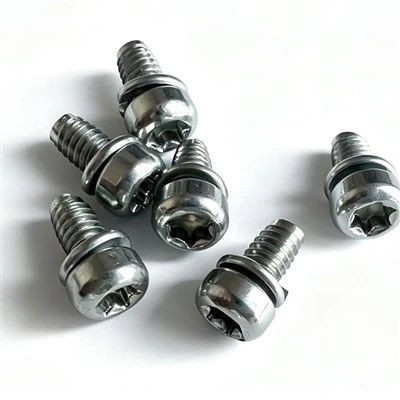
Whether you’re an engineer designing a new medical device, a maintenance manager for a server farm, or a hobbyist building a custom electronics project, understanding what a captive screw is and when to use it can save you time, money, and frustration. If you’re ready to explore the right captive screw for your next project, reach out to our team to discuss your requirements. We’ll work with you to specify the right material, size, and design, so you get a fastener that works as hard as your assembly does.
Pin Shaft References
- VDI 2230: Systematic Design of High-strength Bolted Connections
- Aerospace Industries Association (AIA) Standard NASM1312, Captive Fasteners for Aircraft Assemblies
- ISO 10664: Hexagon bolts with washer face for general purpose threads — Product grades A and B
Wuyuan Jieyi Automotive Electrical Appliance Co., Ltd.
As one of the most professional screw manufacturers and suppliers in China, we’re featured by quality products and good service. Please rest assured to wholesale bulk durable screw in stock here from our factory. We also accept customized orders.
Address: No. 7 Likeng Road, Industrial Park Wuyuan County, Shangrao City, Jiangxi Province
E-mail: wyjydqz@163.com
WebSite: https://www.wyjydq.com/
